


What Is NPSHr For Pumps?
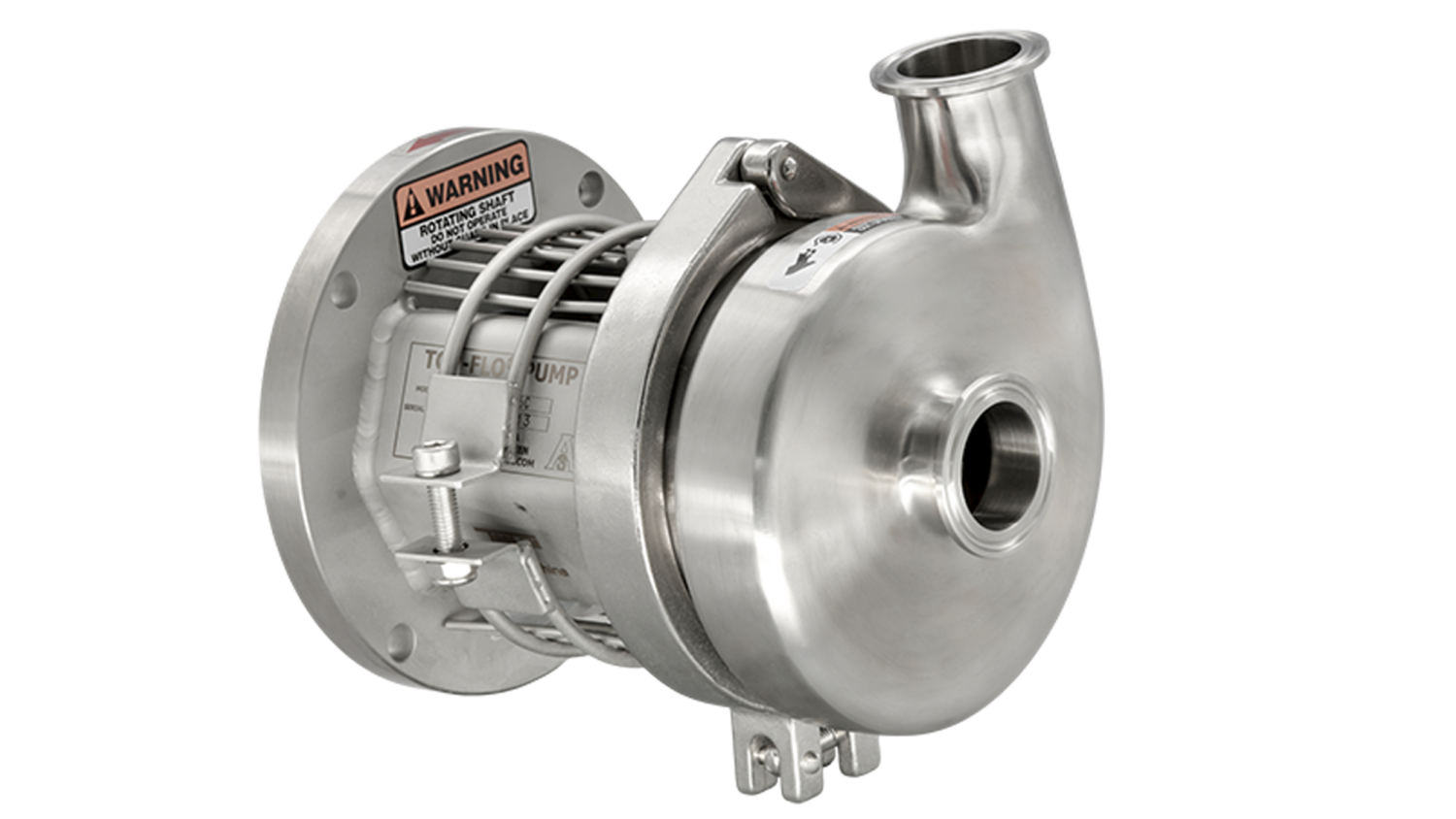
When selecting a sanitary pump for food, beverage, dairy, pharmaceutical, or personal care applications, understanding NPSHr is critical to ensuring reliable pump performance and preventing costly damage. NPSHr, or Net Positive Suction Head Required, plays a major role in determining whether a pump will operate efficiently or experience cavitation issues that can shorten equipment life and reduce system performance.
What Does NPSHr Mean?
NPSHr (Net Positive Suction Head Required) is the minimum pressure required at the suction port of a pump to prevent the liquid from vaporizing inside the pump. This value is determined by the pump manufacturer and varies based on the pump’s design and operating conditions.
Each pump has a unique NPSHr value depending on factors such as:
- Pump design
- Pump size
- Impeller configuration
- Pump speed (RPM)
- Flow rate and operating conditions
The NPSHr value is typically displayed on the pump curve provided by Steel & O’Brien and should always be reviewed during the pump selection process.

What is NPSHa?
NPSHa (Net Positive Suction Head Available) refers to the actual pressure available at the pump suction within the system. Unlike NPSHr, which is determined by the pump itself, NPSHa is a function of the overall system and must be calculated before selecting or installing a pump.
Several factors affect NPSHa, including:
- Tank pressure
- Fluid temperature
- Elevation
- Suction pipe size and length
- Friction losses in the piping system
- Vapor pressure of the liquid
Proper system design is essential to ensure adequate NPSHa is available for the selected pump.
Why is NPSHr Important?
For a pump to operate correctly, the NPSHa must always be greater than the NPSHr. If the NPSHr exceeds the available suction pressure, the liquid begins to vaporize inside the pump, forming vapor bubbles.
As these vapor bubbles move through the impeller and encounter higher pressure zones, they collapse—or implode—creating a condition known as cavitation.
What is Cavitation?
Cavitation is one of the most damaging conditions a pump can experience. It often sounds like marbles, gravel, or grinding occurring inside the pump and can lead to:
- Cavitation erosion
- Reduced flow and efficiency
- Excessive vibration and noise
- Premature seal and bearing failure
- Damage to the impeller and pump housing
Over time, cavitation can significantly reduce pump life and increase maintenance costs.
How to Prevent Cavitation
Preventing cavitation starts with proper pump selection and system design. Some common ways to improve NPSHa and reduce cavitation risk include:
- Increasing suction pipe size
- Reducing suction line restrictions
- Lowering fluid temperature when possible
- Shortening suction piping runs
- Positioning the pump closer to the fluid source
- Selecting a pump with a lower NPSHr requirement
Reviewing the pump curve and evaluating system conditions early in the design phase can help avoid performance issues after installation.
Steel & O’Brien Pump Expertise
Steel & O’Brien provides sanitary pump solutions designed for demanding process applications across the food, beverage, dairy, personal care, and biopharmaceutical industries. Our team can help evaluate your system requirements, review pump curves, and ensure the selected pump provides the proper NPSHr performance for your application.