


Hygienic Valve Considerations For Compendial Water Systems
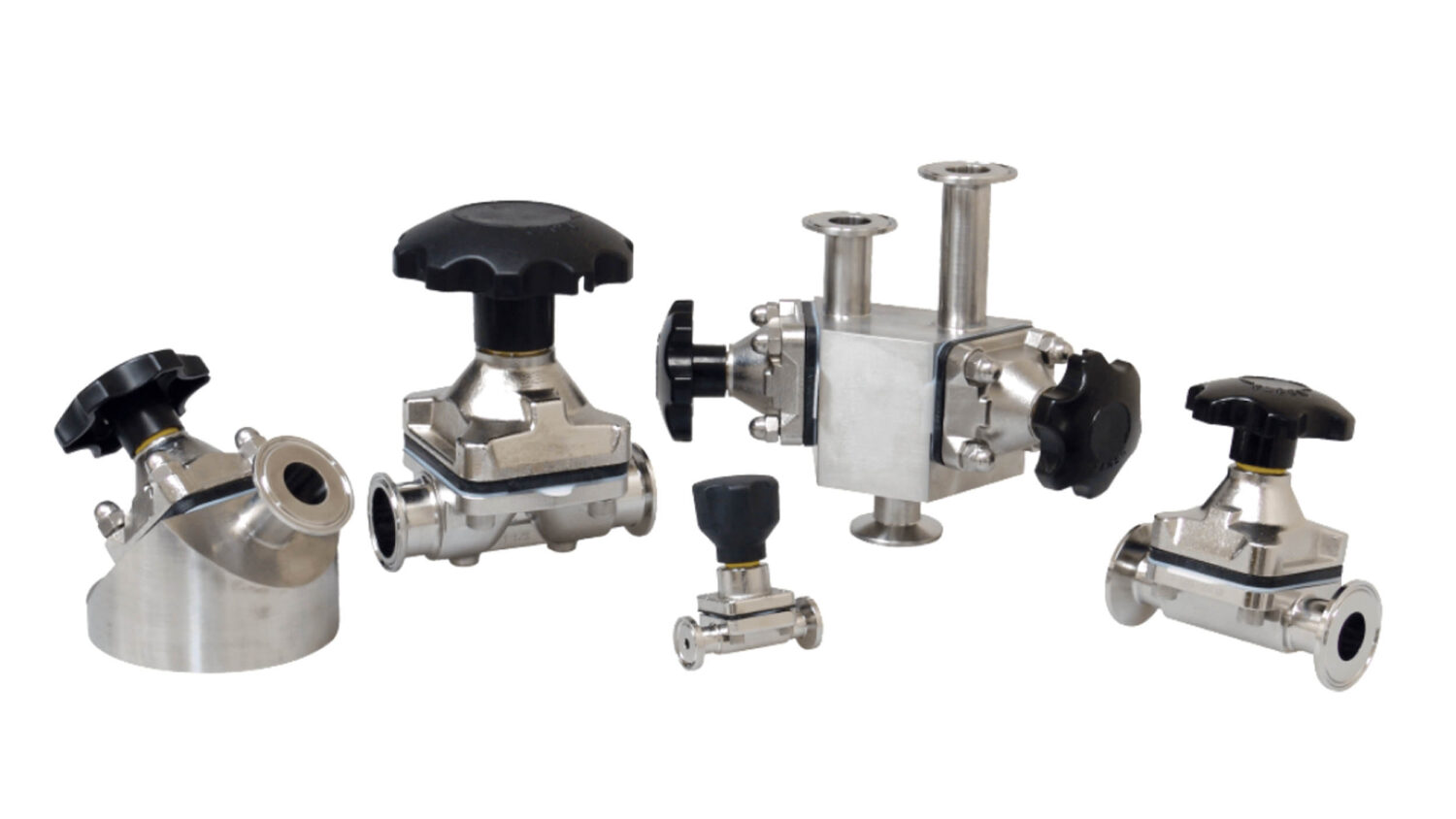
Hygienic valve selection plays a critical role in maintaining product quality, reducing contamination risk, and ensuring reliable system performance. From valve design and seal materials to sanitization methods and operating conditions, every component must be evaluated to support safe and efficient processing in sanitary applications.
Typical system operating parameters
Most hygienic processing systems operate within the following ranges:
- Temperature: 68°F – 185°F (20°C – 85°C)
- Pressure: 0 – 87 psig (0 – 6 bar)
Applications operating outside these parameters may require specialized valve configurations or sealing materials.
Proper Valve Installation
Hygienic valves should be installed to eliminate trapped product areas and promote free draining. Following manufacturer installation guidelines is essential for minimizing dead legs and maintaining sanitary conditions.
The ASME BPE standard also recommends reducing the number of hygienic union connections and using welded construction whenever possible to improve cleanability and reduce contamination risk.
Valve sealing systems are clearly defined within ASME BPE by two designations
Sliding
- Sliding seals are used within valves such as mix-proof, butterfly, and O-ring shaft sealed single-seat stem valves. These can be considered high risk due to the possibility of contaminants being drawn into the fluid stream or can trap contaminants within the valve in the open or closed position.
Non-Sliding
- Non-sliding seals are used within diaphragm valves and single seat stem type valves that incorporate a diaphragm to provide a stem seal. These can be considered a low risk due to no internal components other than the sealing membrane making contact with the process fluid. The non-sliding sealing systems also prevent the process fluid from being exposed to atmospheric contaminants.
Commonly used valve seal polymers are FKM, EPDM, PTFE, and modified PTFE classes that are FDA conforming and have been certified to be USP Class VI by a third-party testing lab.
Typical Methods of Valve/System Sanitization
Thermal
- Increase in fluid temperature through a heat exchanger
- SIP (Steam In Place)
Chemical
- Ozonation
Light
- UV unit
Special Considerations
System Pressure
The operating pressure of the system should be taken into consideration if it is expected to operate above the typical system pressure of 87psig (6 bar) in order to ensure that the correct actuator is used, especially with a non-sliding seal type diaphragm valve.
Seal Material Compatibility
Compatibility of seal materials should be evaluated if the use of SIP and/or ozonation will be introduced into the system as a method of sanitization. SIP elevated temperatures above the typical system temperature 185º F (85º C) and ozonation degrading seal materials can both have an adverse effect on valve performance.
If there are conditions present within the system that fall outside of the typical operating parameters, the valve manufacturer should be consulted during the selection process (valve type & sealing materials) in order to prevent premature valve failure after installation.
Valve Materials of Construction
Valve bodies and other internal process contact components are typically made of 316/316L and equivalent materials (CF3M, CF8M, etc.) are the most commonly used due to their corrosion-resistant properties. Other materials might be used, but these are the most common.
The standard internal surface finish of process contact areas within hygienic valves is 20Ra mechanically polished (BPE code SF1), however, the surface finish to be used is dependent upon the requirements of the owner/user.
Selecting the proper hygienic valve involves more than matching pipe size or pressure ratings. Careful consideration of valve design, sealing systems, materials, and sanitization methods helps ensure long-term performance, product safety, and compliance in sanitary processing environments.