

Sanitary Stainless Steel Fittings vs. Standard Fittings: What’s the Difference?
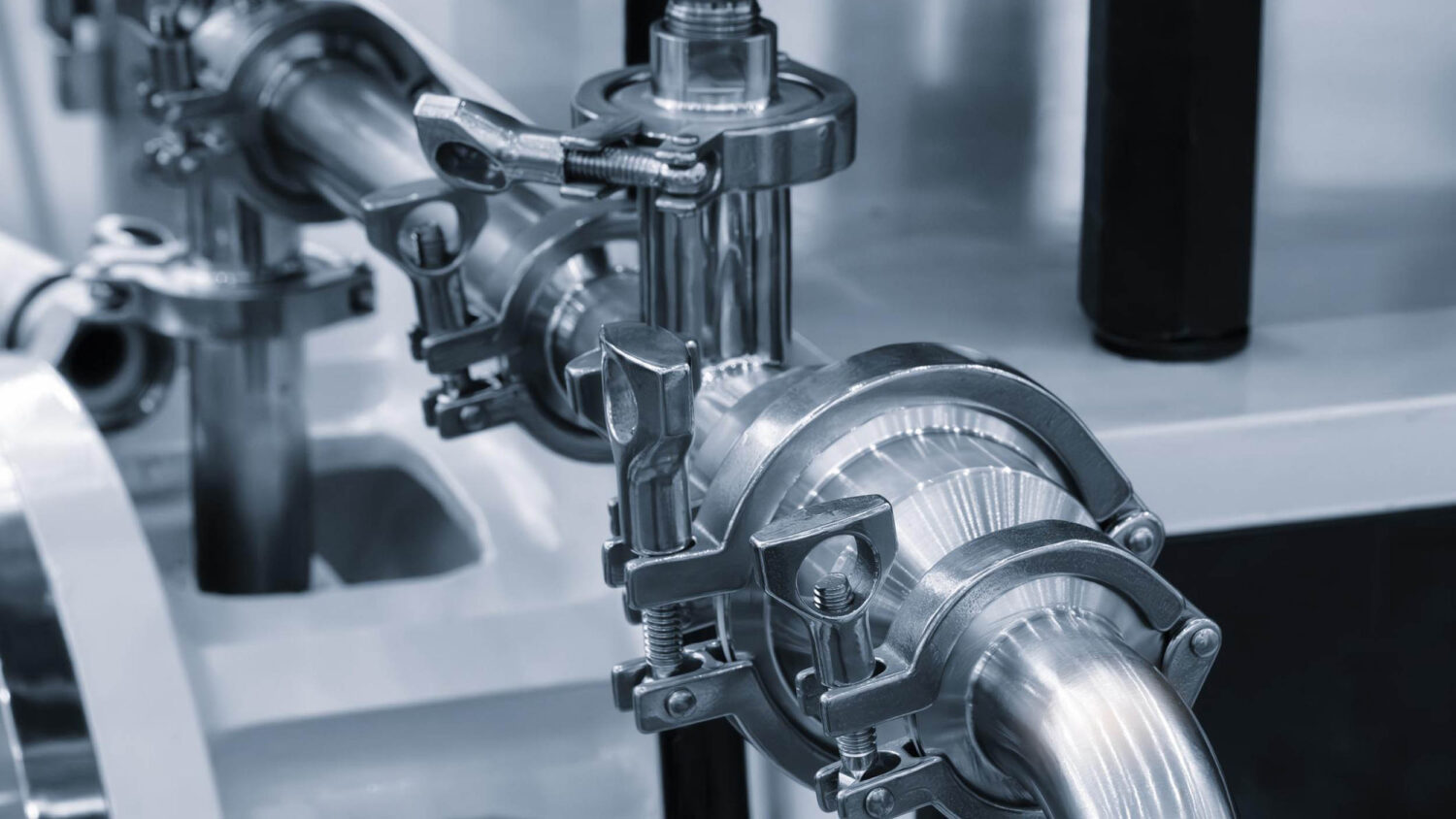
Many people assume that all stainless steel fittings are essentially the same. However, when it comes to hygienic processing environments, the difference between sanitary stainless steel fittings and standard industrial fittings can be the difference between a clean, compliant process and a costly contamination issue.
For manufacturers in the food and beverage, dairy, biotechnology, pharmaceutical, and personal care industries, selecting the right stainless steel sanitary fittings is critical to maintaining product quality, regulatory compliance, and operational efficiency.
What Are Sanitary Stainless Steel Fittings?
Sanitary fittings are specifically engineered for hygienic process systems where cleanliness, product purity, and cleanability are essential. Unlike standard industrial fittings, sanitary components are designed to minimize contamination risks and support rigorous cleaning procedures.
Key characteristics of sanitary stainless steel fittings include:
- Smooth surface finishes, typically 32 Ra or better
- Minimal crevices, dead legs, and product-holding areas
- Compatibility with Clean-in-Place (CIP) and Sterilize-in-Place (SIP) systems
- High-quality materials such as 316L stainless steel fittings for superior corrosion resistance
- Compliance with industry standards such as FDA, 3-A Sanitary Standards, and ASME BPE
These design features help prevent bacteria growth, product buildup, and cross-contamination in critical processing applications.
How Standard Stainless Steel Fittings Differ
While standard stainless steel fittings are durable and reliable for many industrial applications, they are not designed for hygienic service.
Common challenges associated with standard fittings include:
- Product residue trapped in threads or crevices
- Increased potential for bacterial growth
- Rougher surface finishes that are harder to clean
- Frequent disassembly requirements for proper sanitation
- Greater compliance risks in regulated manufacturing environments
In industries where product safety and purity are priorities, these limitations can create significant operational and quality concerns.
Why Sanitary Fittings Matter in Real-World Operations
Contamination issues rarely originate from obvious equipment failures. More often, they develop in hard-to-clean areas throughout a processing system.
Common sources of contamination include:
- Improperly selected fittings
- Poorly finished welds
- Inconsistent surface finishes
- Dead-leg sections that retain product
This is why sanitary design extends beyond simply meeting specifications. Properly selected sanitary stainless steel fittings help reduce risk throughout the entire process, supporting consistent product quality while minimizing downtime and cleaning challenges.
Choosing the Right Stainless Steel Fittings for Hygienic Applications
If your process requires any of the following, sanitary fittings should be considered essential rather than optional:
- Frequent CIP or SIP cleaning cycles
- Product purity validation
- FDA-regulated production
- 3-A or ASME BPE compliance requirements
- Food, beverage, dairy, biotech, or pharmaceutical processing
Selecting the right sanitary fittings and sanitary valves can help improve cleanability, maintain compliance, and extend the life of your process equipment.
Partner with Steel & O’Brien for Sanitary Fittings
At Steel & O’Brien, we manufacture high-quality sanitary stainless-steel fittings, valves, tubing, and custom process components designed for the most demanding hygienic applications. We engineer our products to support efficient cleaning, regulatory compliance, and long-term system performance across food, beverage, dairy, biotechnology, and pharmaceutical operations.
Final Thoughts
Cutting corners on fittings may reduce upfront costs, but it often leads to greater risks over time. Product contamination, compliance issues, unplanned downtime, and increased maintenance expenses can all result from using the wrong components.
If you're evaluating your current process system, now is the time to determine whether your fittings truly meet sanitary design requirements. The right sanitary stainless-steel fittings can help protect product quality, improve operational reliability, and support long-term success.