CIP vs SIP: Design Considerations for Sanitary Equipment
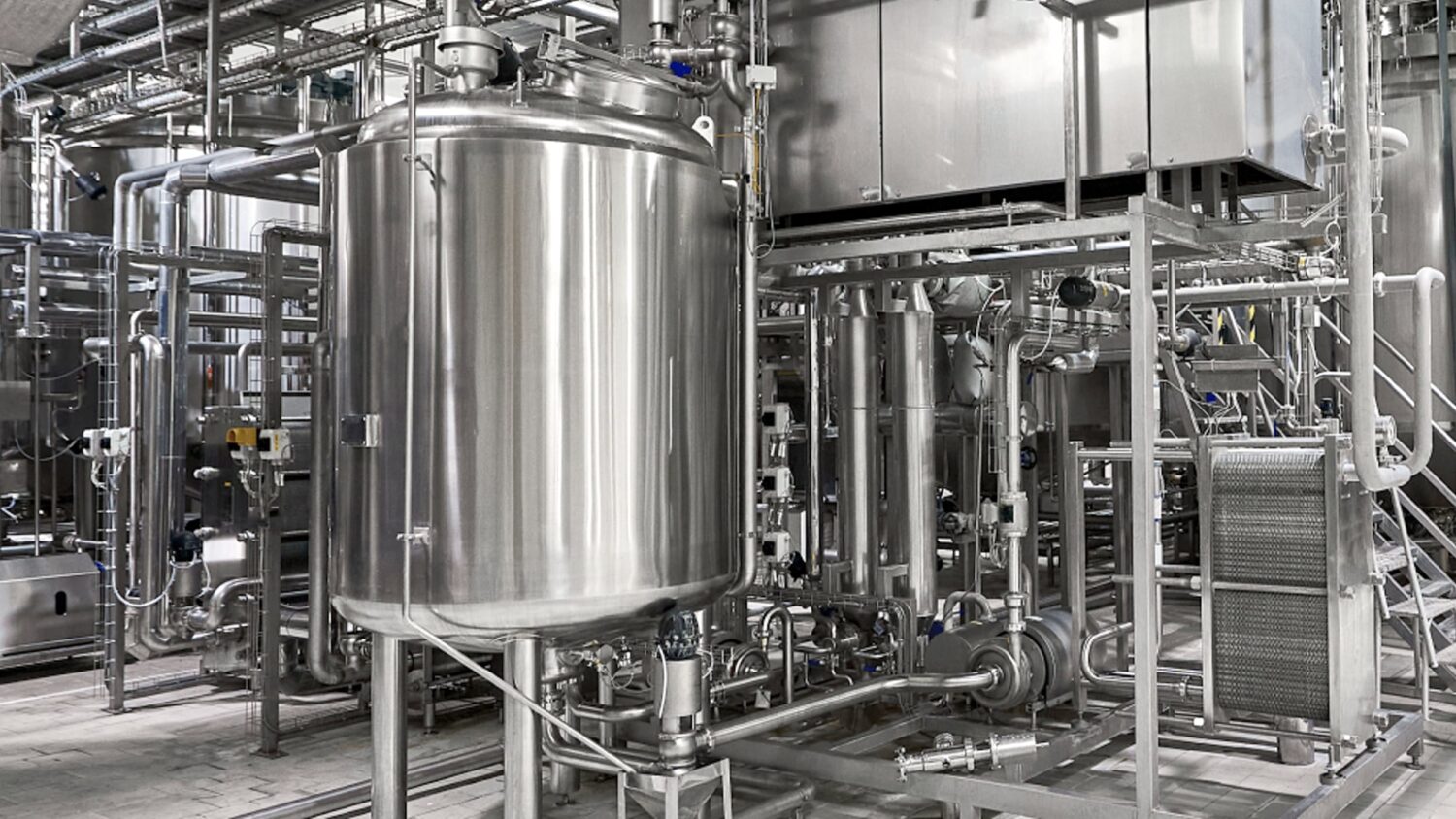
Clean-in-Place (CIP) and Steam-in-Place (SIP) are cleaning and sterilization methods used in sanitary processing systems.
- CIP removes product residue using circulating cleaning solutions without disassembling equipment.
- SIP sterilizes equipment using pressurized steam to eliminate microorganisms.
CIP focuses on cleaning, while SIP focuses on sterilization. Many pharmaceutical, biotech, and high-purity food systems use CIP followed by SIP to ensure both cleanliness and microbial control.
What Are CIP and SIP?
Sanitary processing industries rely on reliable cleaning and sterilization to protect product quality and meet regulatory requirements.
CIP (Clean-in-Place) allows equipment such as tanks, pipelines, valves, pumps, and fittings to be cleaned internally without disassembly.
SIP (Steam-in-Place) uses high-temperature steam to sterilize the same equipment after it has been cleaned.
These systems allow facilities to maintain hygienic conditions while minimizing downtime and labor.
Industries commonly using CIP and SIP include:
- Food processing
- Beverage production
- Dairy manufacturing
- Pharmaceutical production
- Biotechnology manufacturing
What Is Clean-in-Place (CIP)?
Clean-in-Place is a cleaning process that circulates cleaning chemicals and rinse water through sanitary equipment.
CIP removes:
- product residue
- fats and proteins
- sugars and carbohydrates
- mineral buildup
This cleaning process is typically automated and controlled by a central system.
Typical CIP Cycle
A standard CIP cycle generally includes several steps:
- Pre-Rinse: Water flush removes remaining product.
- Alkaline Wash: Cleaning solution dissolves fats, proteins, and organic materials.
- Intermediate Rinse: Water removes detergent and loosened residue.
- Acid Wash (optional): Removes mineral deposits and scale.
- Final Rinse: Prepares equipment for production or sterilization.
Effective CIP cleaning depends on four factors often called the CIP cleaning parameters:
- Temperature
- Chemical concentration
- Flow velocity
- Cleaning time
What Is Steam-in-Place (SIP)?
Steam-in-Place sterilizes sanitary equipment using pressurized steam.
The goal of SIP is to eliminate microorganisms such as:
- bacteria
- yeast
- mold
- spores
SIP is especially important in pharmaceutical and biotechnology manufacturing, where sterile conditions are required.
Typical SIP Process
How does SIP work? The SIP process typically includes the following steps:
- Preparing and sealing the equipment system
- Introducing pressurized steam
- Reaching a validated sterilization temperature
- Maintaining the temperature for a specified hold time
- Cooling and returning equipment to production
Sterilization effectiveness depends on temperature, pressure, and exposure time.
Key Differences Between CIP and SIP
| Feature | CIP | SIP |
|---|---|---|
| Purpose | Remove product residue | Sterilize equipment |
| Cleaning Medium | Water and chemical solutions | Pressurized steam |
| Primary Goal | Clean surfaces | Destroy microorganisms |
| Typical Industries | Food, beverage, dairy | Pharma and biotech |
The CIP and SIP process typically begins with CIP to remove soil and is followed by SIP to sterilize equipment.
Design Considerations for CIP/SIP Systems
Effective CIP system design requires sanitary equipment that allows cleaning solutions and steam to reach every product-contact surface.
Several design factors are critical for CIP/SIP performance.
Surface Finish
Surface finish affects how easily equipment can be cleaned.
Smooth surfaces reduce areas where:
- product residue
- bacteria
- cleaning chemicals
can accumulate.
Typical finishes include:
| Surface Finish | Typical Use |
|---|---|
| 32 Ra | Standard food processing equipment |
| 20 Ra | Enhanced sanitary applications |
| 15 Ra electropolished | Pharmaceutical and biotech systems |
Smoother surfaces improve both cleanability and sterilization effectiveness.
Dead-Leg Elimination
Dead legs are areas in piping systems where product or cleaning solutions can stagnate.
Dead legs can prevent cleaning chemicals or steam from reaching all surfaces.
Sanitary design guidelines often recommend a maximum dead-leg ratio of 2:1 (branch length to pipe diameter).
Reducing dead legs helps ensure complete cleaning and sterilization coverage.
System Drainability
Proper drainage is essential for sanitary systems.
Equipment should be designed so that cleaning fluids and condensate can fully drain from the system.
Design practices include:
- sloped piping
- drainable valves
- hygienic tank outlets
Good drainage prevents chemical residue and microbial growth.
Material Selection
Sanitary equipment is typically manufactured from 304 or 316L stainless steel.
316L is often preferred in high-purity environments because it provides:
- improved corrosion resistance
- better weld integrity
- compatibility with aggressive cleaning chemicals
Material selection must support repeated exposure to CIP chemicals and SIP steam temperatures.
Hygienic Valve and Equipment Design
Valves and other components must support effective cleaning and sterilization.
Sanitary equipment should provide:
- smooth internal surfaces
- minimal product hold-up
- drainable designs
- reliable sealing
Diaphragm valves are commonly used in sterile systems because they minimize dead legs and improve cleanability.
Instrumentation and Validation
Many sanitary systems require validation to confirm cleaning and sterilization effectiveness.
Facilities often monitor:
- temperature
- pressure
- flow rate
- chemical concentration
- sterilization time
Monitoring ensures cleaning cycles meet validated process requirements.
Equipment Designed for CIP/SIP Systems
Many sanitary components are designed specifically for CIP and SIP compatibility.
Examples include:
- sanitary tubing and fittings
- hygienic valves and actuators
- centrifugal pumps
- diaphragm valves
- sight glasses
- strainers and filters
Selecting CIP/SIP-compatible equipment helps maintain consistent hygienic performance.
Best Practices for CIP/SIP Equipment Design
Effective sanitary systems should follow several design principles:
- use smooth surface finishes
- eliminate dead legs
- ensure complete drainage
- select corrosion-resistant materials
- choose hygienic valves and components
- monitor cleaning and sterilization parameters
These practices help ensure reliable cleaning, regulatory compliance, and long equipment life.
FAQ: CIP vs SIP
What is the difference between CIP and SIP?
CIP removes product residue using circulating cleaning solutions, while SIP sterilizes equipment using pressurized steam.
Do all sanitary systems require SIP?
No. Many food and beverage systems use CIP only. CIP and SIP in pharma are typically used together because pharmaceutical manufacturing requires both effective cleaning and validated sterilization.
Why are dead legs a concern in sanitary systems?
Dead legs can trap product residue or microorganisms, preventing effective cleaning and sterilization.
What materials are best for CIP/SIP systems?
304 and 316L stainless steel are commonly used, with 316L often preferred for pharmaceutical and high-purity systems.
Summary
CIP and SIP systems allow sanitary processing equipment to be cleaned and sterilized without disassembly.
- CIP removes product residue using chemical cleaning solutions.
- SIP sterilizes equipment using high-temperature steam.
Effective system design requires attention to surface finish, dead-leg elimination, drainability, material selection, and equipment configuration.
When properly designed, CIP and SIP systems help maintain product safety, regulatory compliance, and reliable sanitary processing operations.
This article is part of the Steel & O'Brien Product Knowledge Hub, a technical resource created to help engineers, operators, and procurement teams understand sanitary processing equipment and system design.